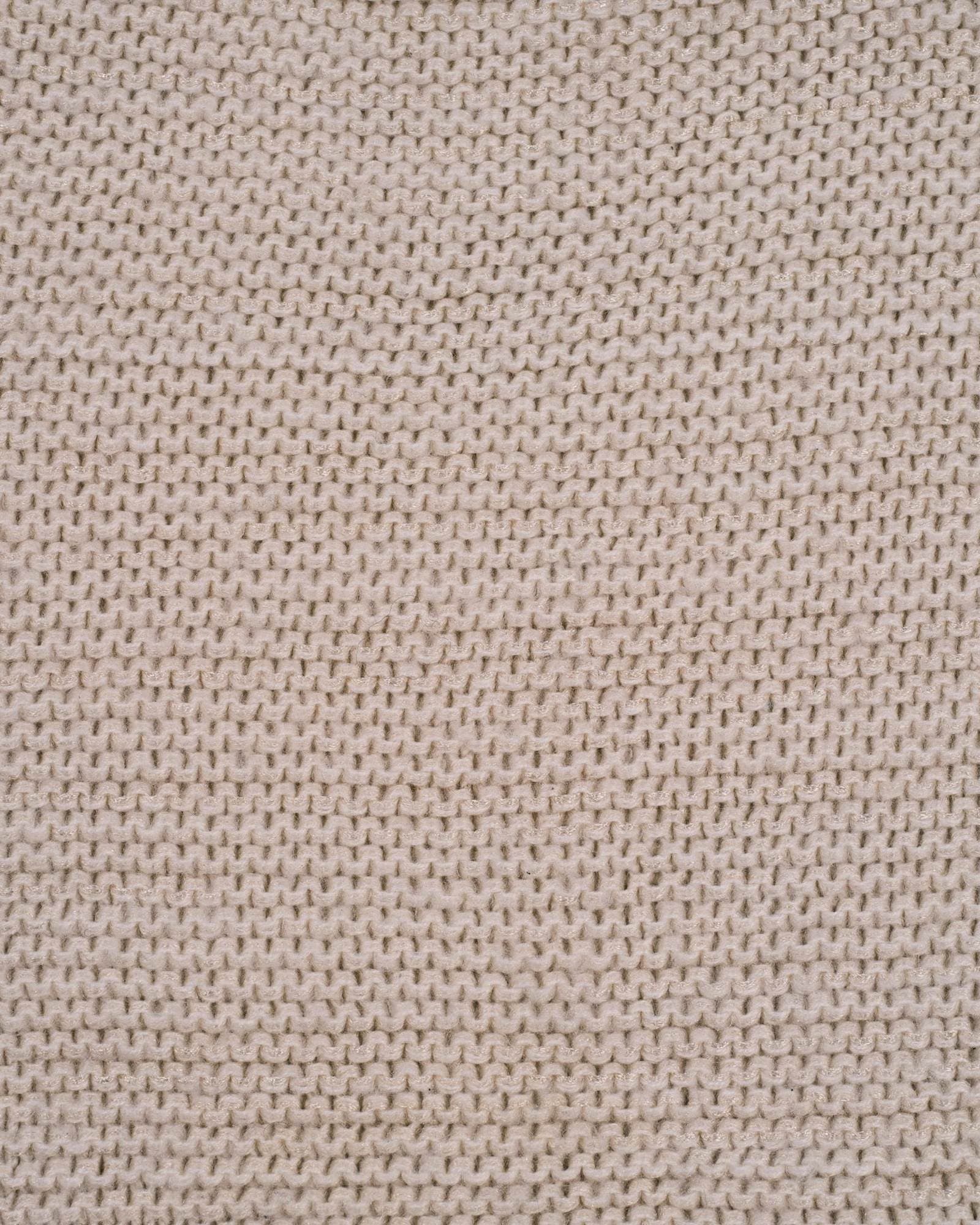
Before they even look in the mirror, people reach down and stroke the fabric. Our founder on softness, ease, and why “Feel Good Clothing” has always had more than one meaning.
When people try on Maili for the first time, they almost always do the same thing.
Before they even look in the mirror, they reach down and stroke the fabric.
It happens so often that we've started to expect it. There's something instinctive about wanting to feel a piece of clothing before deciding how you feel about it. We spend so much time talking about how clothes look that we've almost forgotten they're something we actually live in.
Over the years, I've realised that softness isn't really about luxury. It's about ease.
The clothes we wear most often tend to be the ones that ask the least of us. They're the top we instinctively reach for on a busy morning, the jumper that somehow ends up packed for every trip, or the trousers we wash, dry and put straight back on because they simply feel good.
When we talk about sustainability, quite rightly, most of the conversation centres on the impact our clothes have on the world around us. We ask where the fabric came from, who made it, how much water it used or whether it's biodegradable. Those questions matter enormously.
But we rarely turn the conversation back on ourselves.
From years of designing, selling and talking to customers, I've noticed that people are usually drawn to clothing for one of two reasons. They either connect with the story behind it, the craftsmanship, the sustainability, the ethics, or they're drawn to how it looks. Whether it suits them, whether it's flattering, whether they can imagine themselves wearing it.
Much less often do we ask another equally important question.
How does it feel?
Our skin is our body's largest organ. It's in contact with our clothes all day, every day. We think carefully about the skincare we use, the food we eat and even the air quality around us, but we don't often stop to think about the fabrics sitting against our skin for ten or twelve hours a day.
So many of us have become used to wearing synthetic fabrics that feel scratchy, trap heat or leave us wanting to get changed the moment we get home. We accepted that feeling for years because it became normal.
But it doesn't have to be.
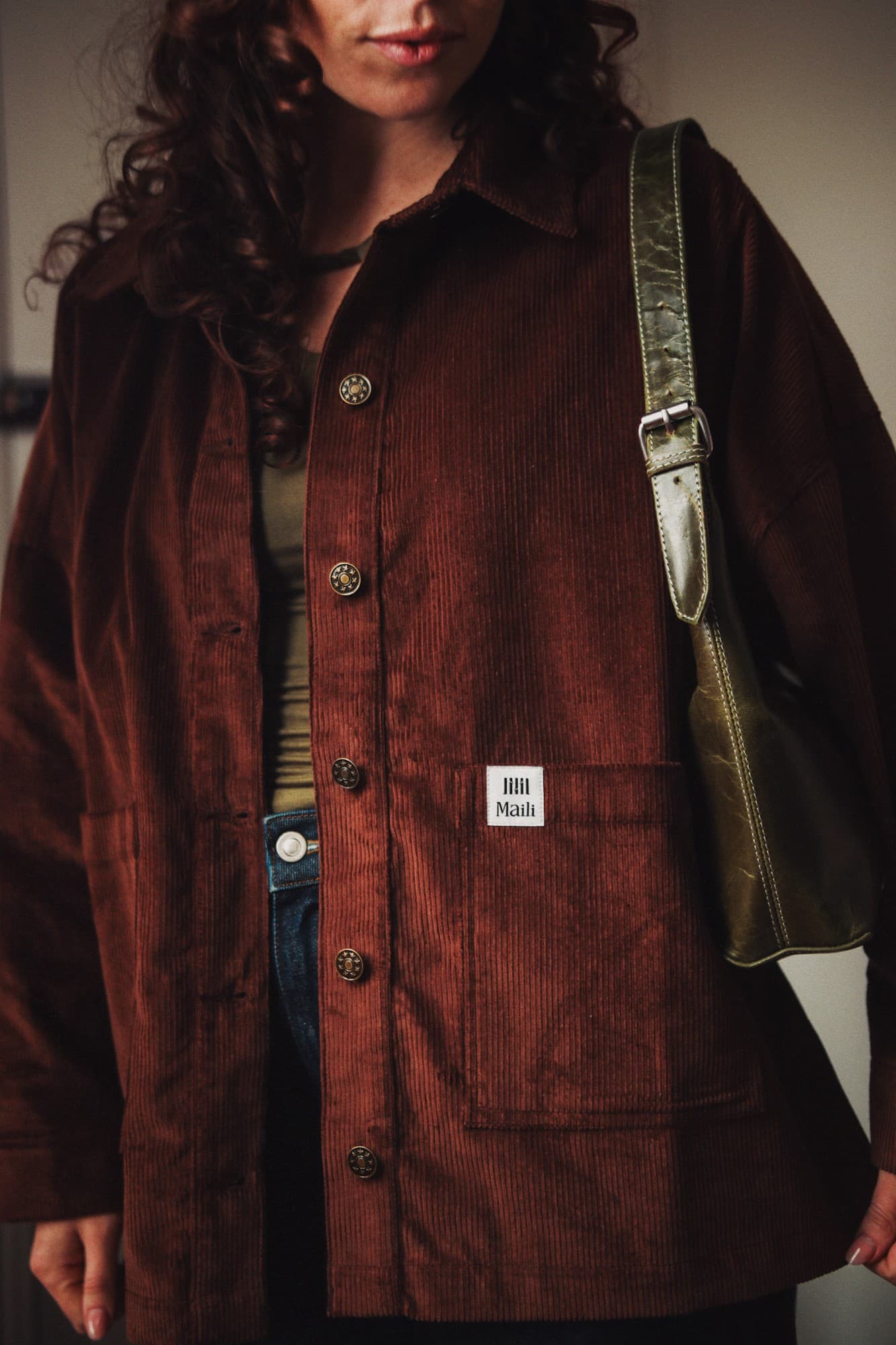
Since opening our shop in Greenwich, we've had the privilege of seeing what happens after someone takes a Maili piece home. Someone buys a bamboo top for work and comes back a few weeks later telling us they ended up travelling across Europe in it. Another customer originally bought one of our long sleeves for Pilates but now wears it under a blazer for work. One woman laughed as she told us she keeps reaching for the same top because she completely forgets she's wearing it.
Oddly enough, that's probably one of the nicest compliments a piece of clothing can receive.
It also made us think differently about the words painted across the front of our shop: Feel Good Clothing.
For us, those words have always had more than one meaning.
We want our clothes to feel good because they make you feel confident. Because they're thoughtfully made. Because they're produced with care and consideration for the people who make them and the materials they're made from.
But we also want them to literally feel good.
Soft against your skin. Easy to move in. Comfortable enough that you stop thinking about what you're wearing altogether.
As a designer, I've become increasingly interested in the relationship between comfort and longevity. We often think sustainability begins with materials, and of course they matter enormously. But I also think it has something to do with desire. If something feels wonderful to wear, you'll naturally choose it more often. You'll travel in it, work in it, relax in it, make memories in it. It'll become part of your everyday life rather than waiting in the wardrobe for a special occasion.
That's one of the reasons we chose bamboo for our first collection. We wanted a fabric that draped beautifully without clinging, moved with your body rather than against it, and felt just as good on a long day at work as it did on a weekend away or an evening out with friends.
To us, softness isn't an added extra. It's part of good design. Because if a garment feels good enough that you want to wear it tomorrow, next week and next year, then it's already doing something rather special.