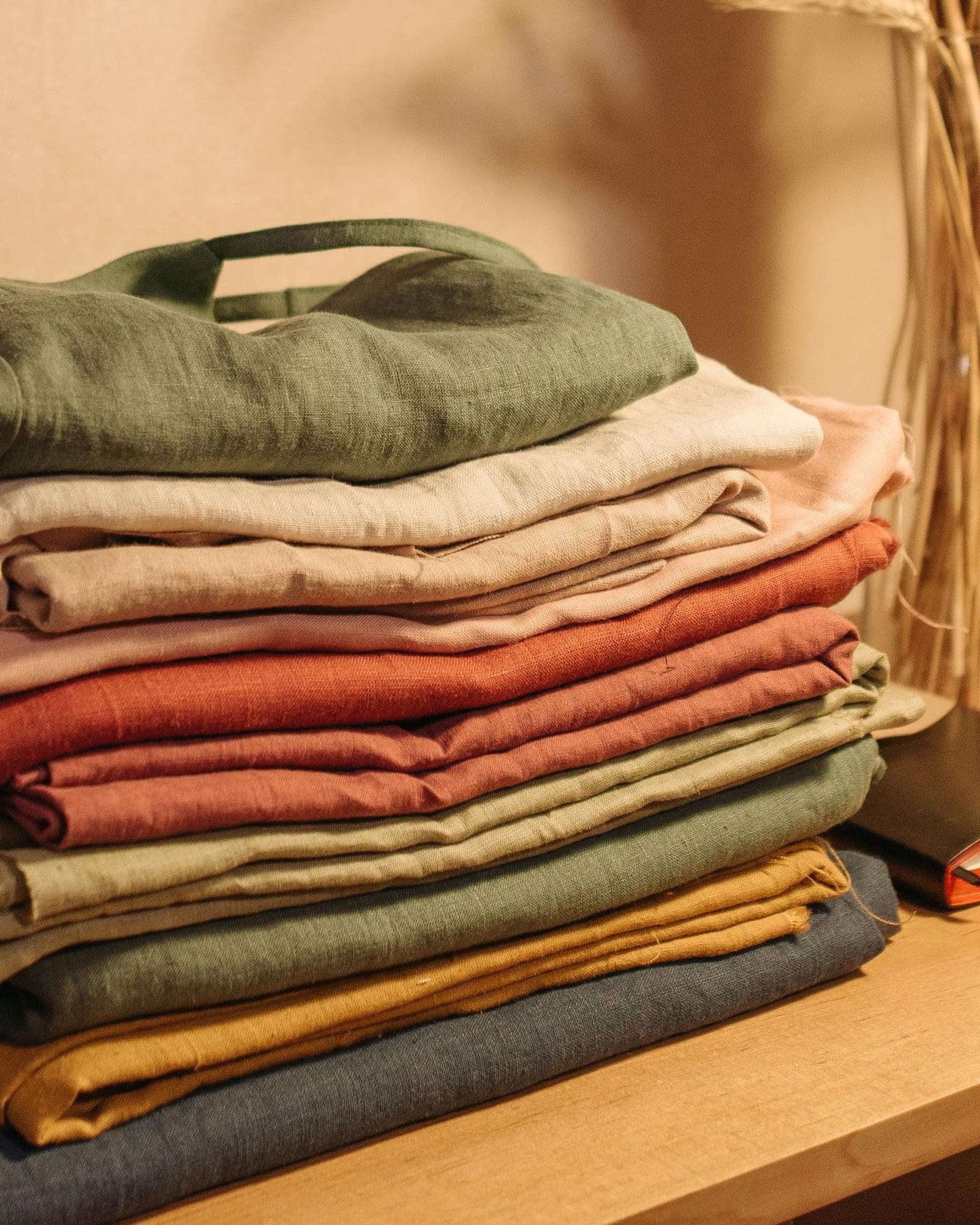
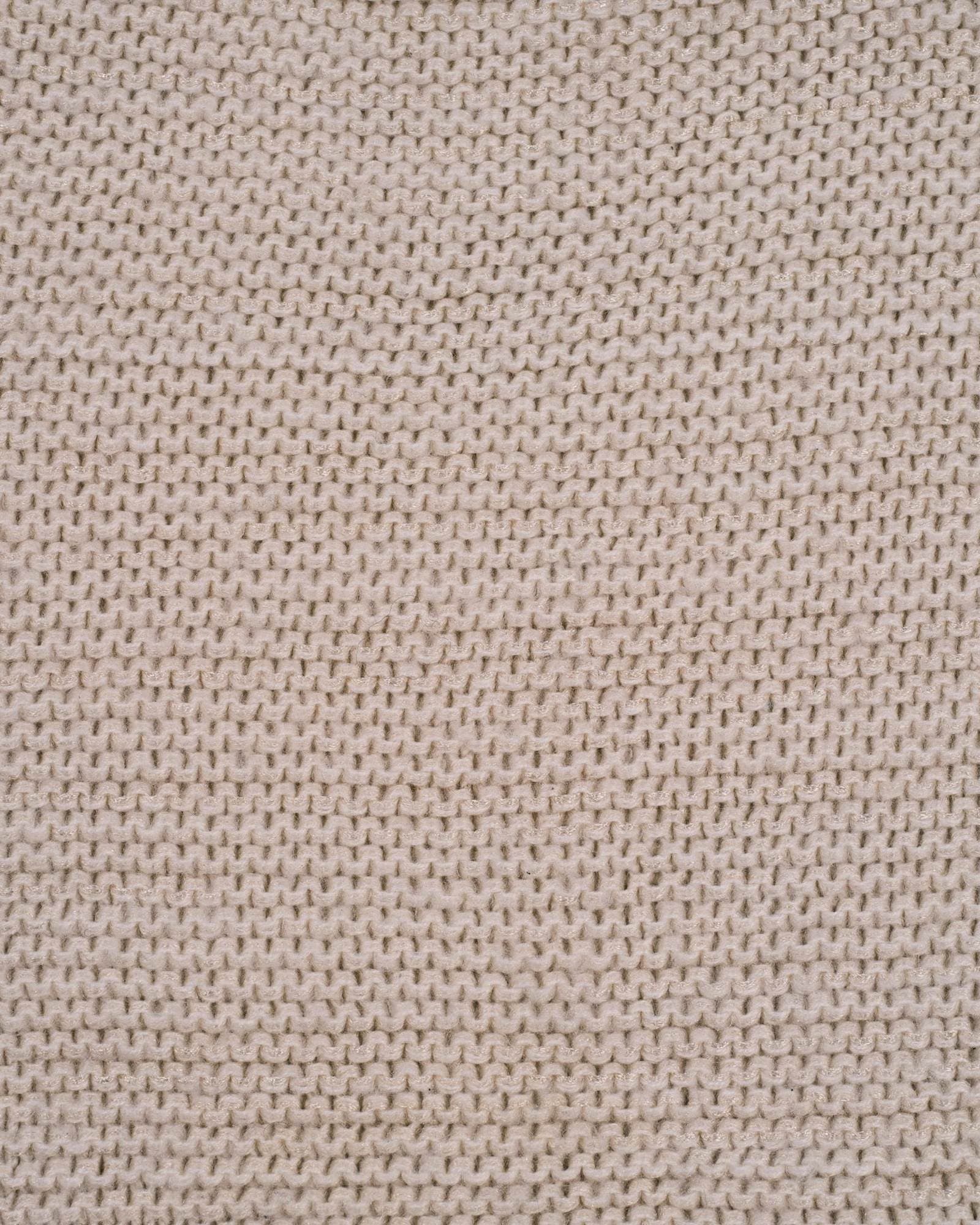
Soft, smooth and breathable fabrics tend to be kindest to easily irritated skin — and the garment matters as much as the fibre. Why we keep coming back to bamboo, and what to look for.
Your clothes spend a huge amount of time touching your skin. All day, in fact. It is something we don't really think about when we get dressed in the morning, but the fabric you put on at 8am might still be against your body at 8pm. It moves with you, warms you up, gets sweaty, gets washed and goes through the whole process again the next day.
For most people, that might not be something they notice very much. But if you have sensitive skin, eczema or a tendency to get itchy or irritated, you can become very aware of what you are wearing. A scratchy seam, a tight waistband, a fabric that makes you overheat or something that feels rough against your skin can turn an otherwise lovely piece of clothing into something you can't wait to take off.
Since opening our shop, we've had quite a few customers with eczema and particularly sensitive skin come in and try on Maili. One of the things that has stuck with us is how often people notice the fabric before they even look at themselves in the mirror. They'll put something on, run their hands over it and tell us how soft it feels. We've had customers specifically mention how difficult they find it to find clothes that feel comfortable against their skin, and how lovely it is to find something they actually want to keep wearing.
It made us think about something that has always been important to us, but perhaps hadn't put into words quite so clearly before. Clothes aren't just something you look at. They are something you live inside. And if something is touching your skin for most of the day, how it feels matters.
So what fabrics are best for sensitive skin?
There isn't one fabric that is perfect for everyone, particularly when it comes to eczema, because everyone's skin has its own triggers and sensitivities. But generally, soft, smooth and breathable fabrics tend to be the most comfortable choices. Cotton is one of the most commonly recommended options for people with eczema and itchy skin, and the NHS recommends loose cotton or silk clothing while advising people with itchy skin to avoid tight clothing and wool or synthetic fabrics. NHS guidance on itchy skin
The interesting thing is that the fibre itself isn't the whole story. Two garments can be made from the same material and feel completely different against the body. The way the fabric has been knitted or woven, how much it moves, how it drapes, how tight the garment is, whether there are rough seams or labels and whether it allows heat and moisture to escape can all affect how comfortable it feels.
For us, that is much more interesting than trying to find one magical "best fabric". We think the better question is: does this fabric feel soft against the body, does it allow you to move, does it breathe, and do you actually want to keep wearing it?
Why we love bamboo
Bamboo is one of our favourite fabrics for exactly these reasons. It has an incredibly soft, smooth feel against the skin and a lovely fluid quality that allows it to drape rather than cling. It moves easily with the body, which makes it comfortable when you're sitting at a desk, walking around London, travelling or exercising, but it still has enough elegance to feel like proper clothes rather than something you've put on just because it's comfortable.
Bamboo is also a material that people with eczema and sensitive skin often ask us about. The National Eczema Society includes bamboo among materials that some people with eczema find comfortable, alongside cotton and silk. As always, skin is personal, but there is a reason soft, smooth and breathable fabrics are often preferred when skin is easily irritated.
We've heard this first hand in the shop. Someone will try on a bamboo top and immediately say that it feels different. Sometimes it is simply that it is soft. Sometimes they tell us that they normally struggle with certain fabrics or find themselves taking clothes off after a few hours because they become uncomfortable. When they find something that feels good enough to forget about, they notice.
That is one of the nicest things about making clothes. You can spend ages thinking about colour, shape and proportion, but sometimes the most important reaction is simply someone putting something on and saying, "I don't want to take this off."
What about polyester and other synthetic fabrics?
Polyester and other synthetic fabrics aren't automatically bad. They are incredibly useful materials and there are plenty of situations where their particular qualities make sense. They can be strong, lightweight, stretchy, quick drying and durable, which is why they are so widely used in sportswear and technical clothing.
But when we are thinking specifically about what we want against our skin all day, we tend to prefer softer and more breathable materials. Some people with sensitive skin find synthetic fabrics less comfortable, particularly when they trap heat or moisture close to the body. If you've ever worn something synthetic on a hot day and felt that slightly clammy feeling underneath it, you'll know what we mean. When you're already prone to itching or irritation, being hot and sweaty isn't exactly helpful.
There is also the question of what synthetic clothing actually is. Polyester is essentially a plastic fibre, and when synthetic garments are washed they can release tiny plastic fibres, known as microfibres, into wastewater. These contribute to the much wider problem of microplastic pollution in our oceans and environment. We are increasingly conscious of this when choosing materials, not because we think every synthetic fibre should disappear tomorrow, but because we think it is worth asking whether we need to wear plastic against our skin when there are other lovely options available.
Your skin is your body's largest organ and it is constantly interacting with the world around you. When you exercise or get hot, your skin heats up and produces sweat. When you're wearing something close fitting, the fabric is sitting right there with it. We don't think that means polyester clothing is inherently dangerous or that wearing a synthetic top will cause a health problem. The science around the effects of textile microfibres on human health is still developing. But it does make us think more carefully about what we choose to make clothes from, particularly clothes designed to be worn close to the body for hours at a time.
For us, it comes back to something much simpler. If a fabric can feel soft, breathable and beautiful against the skin, why wouldn't we choose that?
Heat matters more than you might think
If you have sensitive skin, you may already know that getting too hot can be one of the least pleasant parts of the day. Heat and sweating can contribute to itching and irritation for some people with eczema, which is why keeping cool and choosing breathable clothing can make such a difference to comfort. The American Academy of Dermatology recommends taking steps to avoid overheating, while the National Eczema Society also highlights sweating and overheating as potential sources of irritation.
This is one of the reasons we don't think about comfort as simply meaning something soft. A fabric can be beautifully soft and still be unpleasant if it makes you feel hot. We want the whole experience of wearing something to feel good.
That matters particularly because most of us don't spend our days sitting still. You might put something on in the morning, cycle to work, walk across town, sit at your desk, run for a train, go for a workout and then meet someone for dinner. Your clothes need to cope with all of that. We love the idea of a piece being breathable enough for exercise, comfortable enough to wear all day and stylish enough that you don't need to change before going out.
It isn't only about the fabric
Something we have learned through making clothes is that comfort is about much more than the fibre written on the label. A beautifully soft fabric can still be uncomfortable if the garment is too tight, the seams rub, the waistband digs in or there is a scratchy label sitting against your neck.
This is one of the reasons we love drapey clothing. There is something very forgiving about a fabric that falls around the body rather than gripping it. It can be flattering without being restrictive, giving you shape without making you feel as though your clothes are constantly asking you to adjust yourself.
We think this is particularly important when you have sensitive skin because you don't necessarily want to be thinking about your clothes all day. You want to put something on in the morning and then get on with everything else. The best clothes, in our opinion, are the ones you stop noticing.
That means thinking about the whole garment. The softness of the fabric, the amount of stretch, the way it falls, where the seams sit and how much room you have to move. It is all part of the experience of wearing something.
What should you look for when buying clothes for sensitive skin?
If your skin is easily irritated, it can be useful to look beyond the name of the fabric and think about how the whole garment is going to feel after you've been wearing it for several hours. A soft, breathable material is a good place to start, but then think about the fit and construction too. Is it going to rub anywhere? Are there labels or seams that might irritate you? Is it loose enough to allow some movement? Is it something you are likely to feel comfortable wearing when you get warm?
It is also worth washing new clothes before wearing them, particularly if you have sensitive skin, and choosing a gentle, fragrance free detergent if you know that fragrances irritate you. The American Academy of Dermatology recommends washing new clothing before wearing it and using fragrance free, dye free laundry detergent for people with atopic dermatitis. American Academy of Dermatology guidance on eczema and clothing
Most importantly, pay attention to your own experience. One person's favourite fabric might be another person's least favourite. Your skin will tell you quite a lot if you pay attention to it.
Why softness matters to us
This is really where the whole thing comes back to why we started Maili.
We spend so much time talking about how clothes look. We talk about colour and shape and styling and what is going to look good in a photograph. But clothes are one of the few things we interact with physically almost constantly. They sit against our shoulders, waist, arms and legs. They move when we move. They get warm when we get warm. They come with us to work, on holiday, to the gym, to dinner and to bed.
We think they should feel good.
That is why softness is such an important part of our design process. We love fabrics that feel lovely against the skin, but we also think about breathability, movement and drape. We want our clothes to be comfortable enough for exercise, stylish enough for going out and just a little bit chic for work. We want them soft enough that you want them on all the time, but drapey enough to still feel flattering when you do.
And some of the best evidence for us isn't something we've read. It is the people who come into our shop, put something on and immediately notice how it feels. Particularly the customers who have spent years being conscious of what they can and can't comfortably wear.
That is when we are reminded that softness isn't just a nice quality to have in a piece of clothing. For some people, it can be the difference between wanting to wear something all day and wanting to take it off.
Your clothes spend almost the entire day touching you. We think they should feel good there.
Sources
- Itchy skin — NHS
- Clothing and eczema — National Eczema Society
- Exercise and eczema — National Eczema Society
- Atopic dermatitis: Self-care — American Academy of Dermatology